International Stories
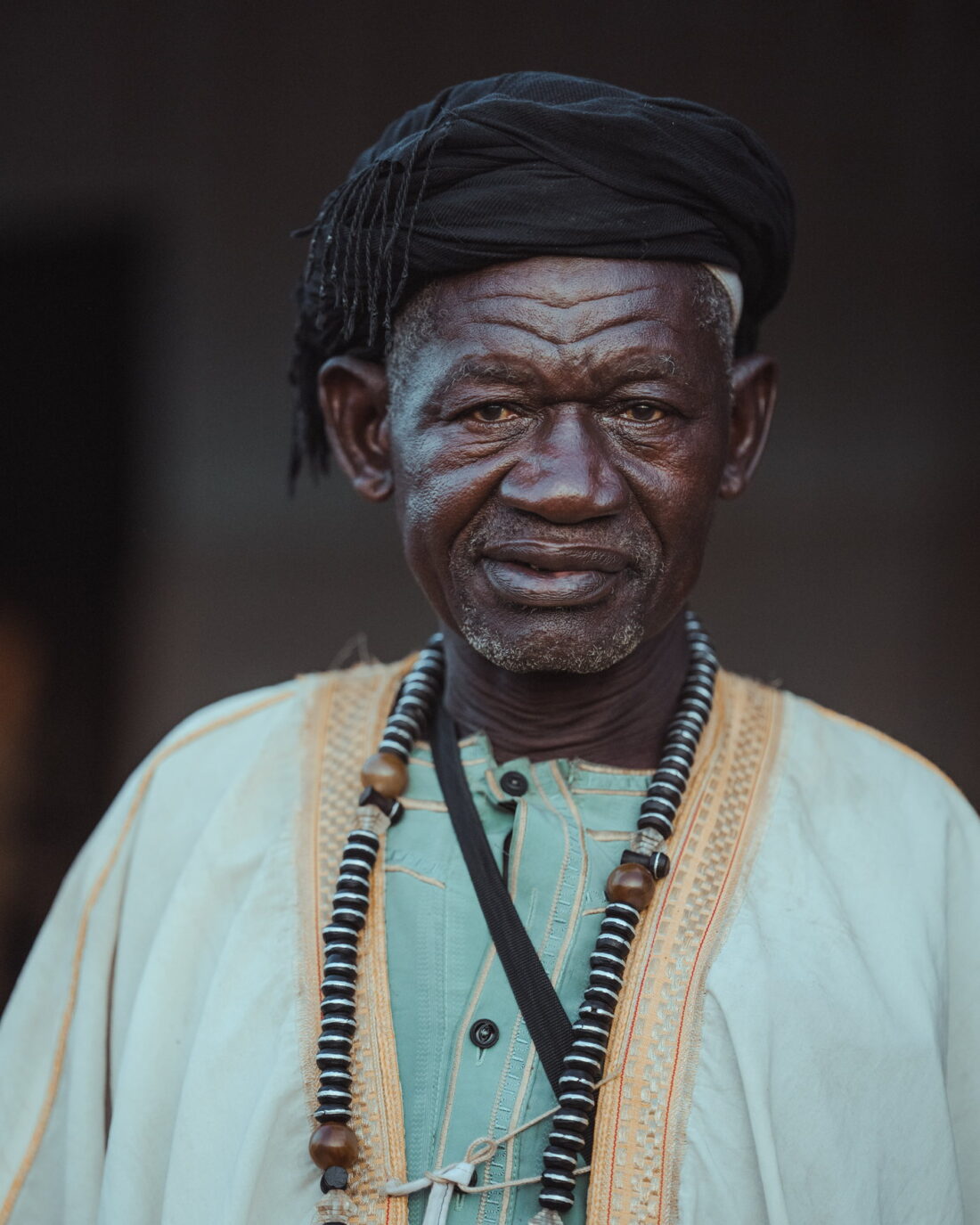
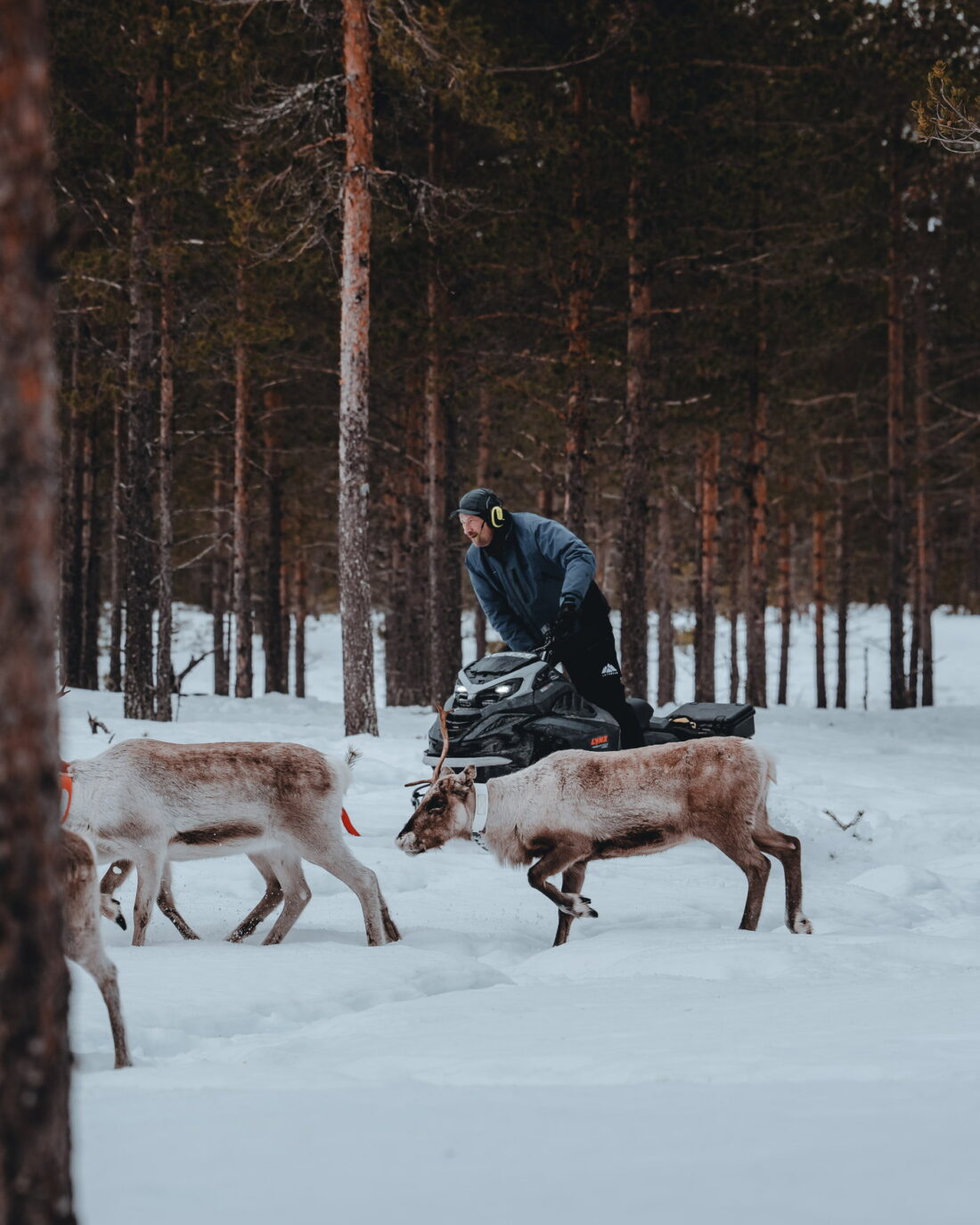
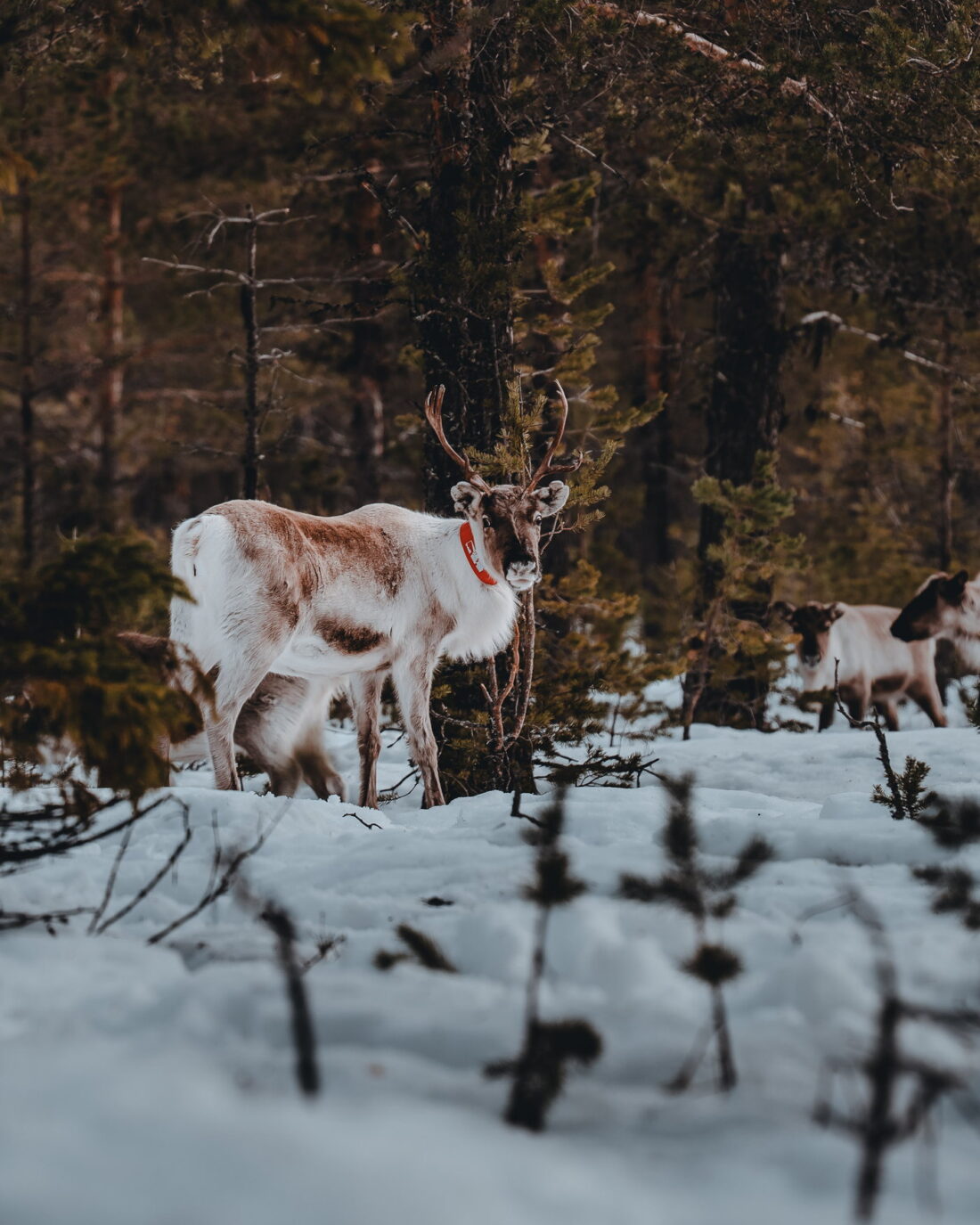
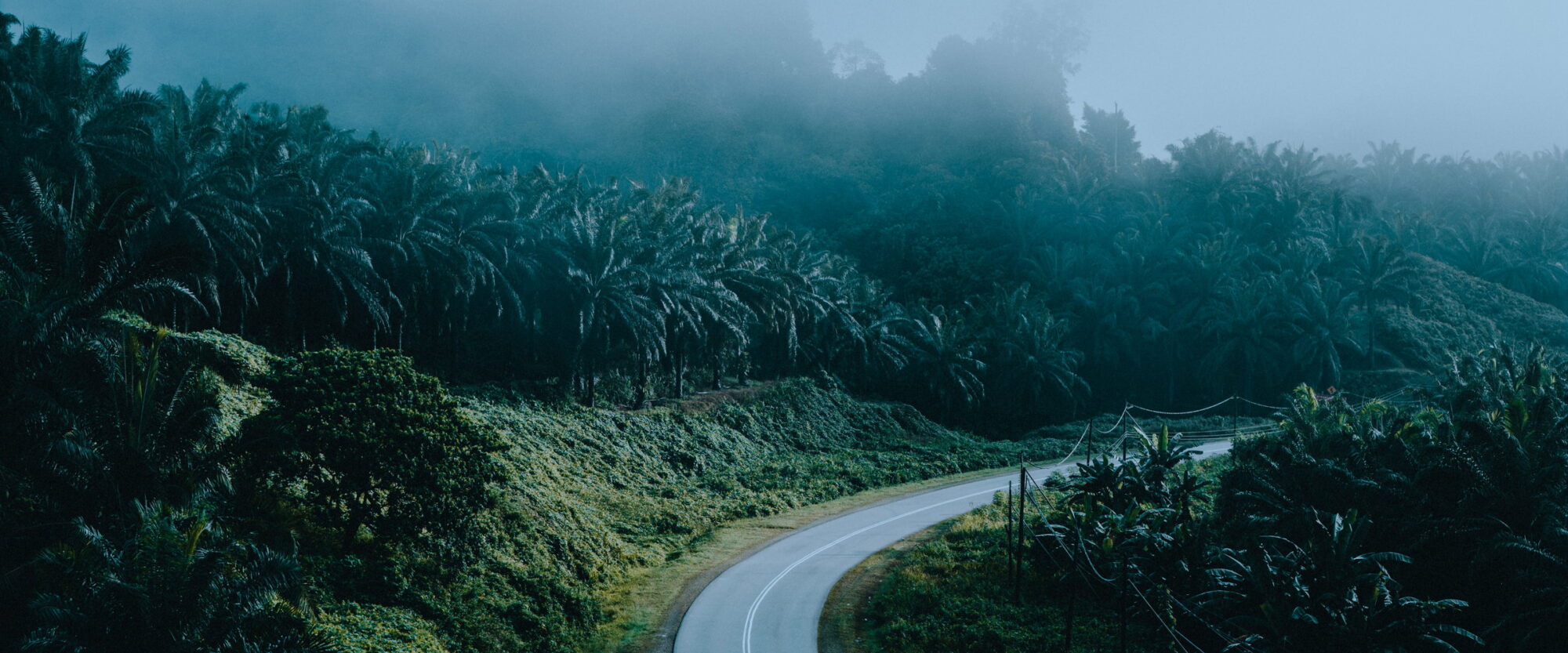
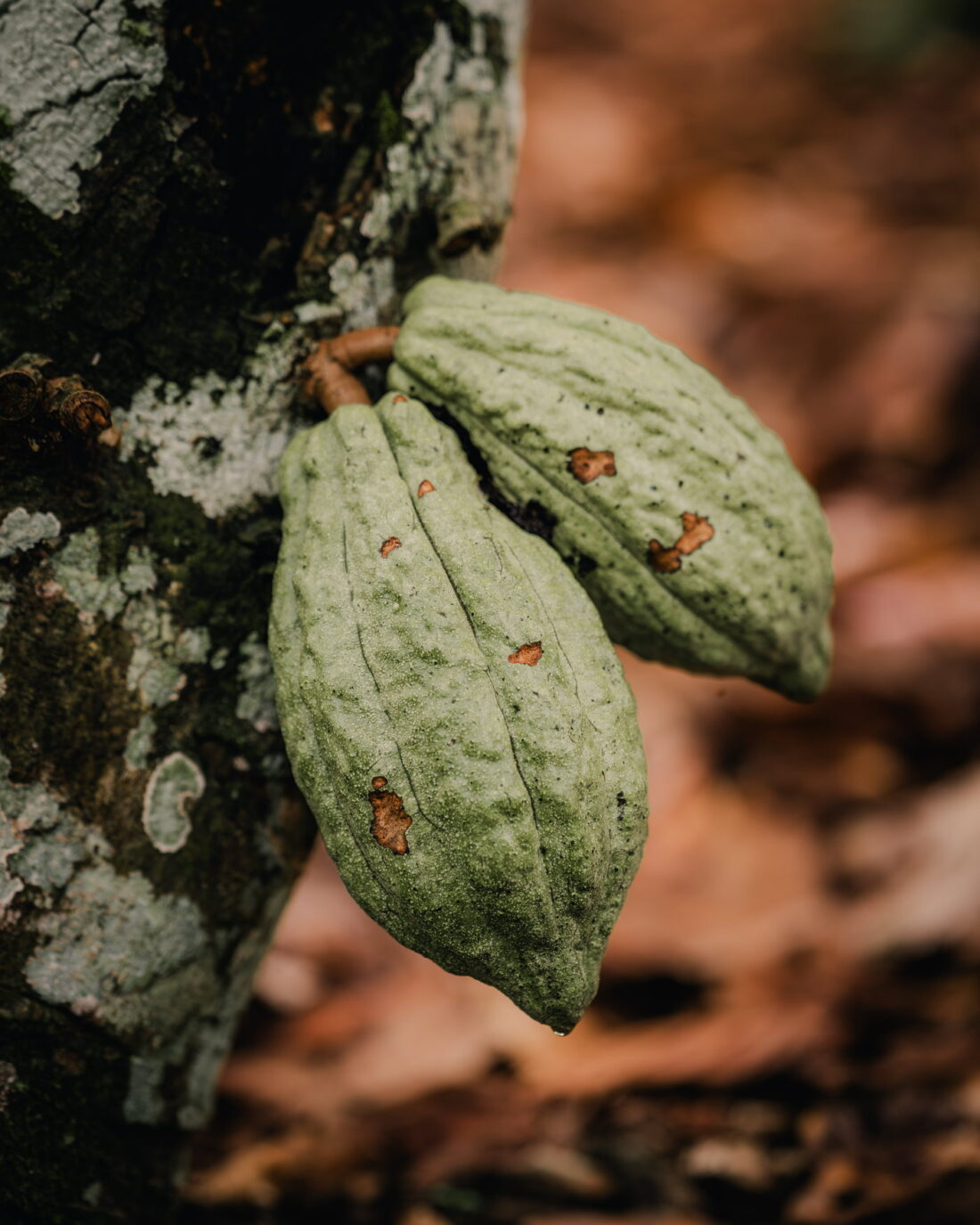
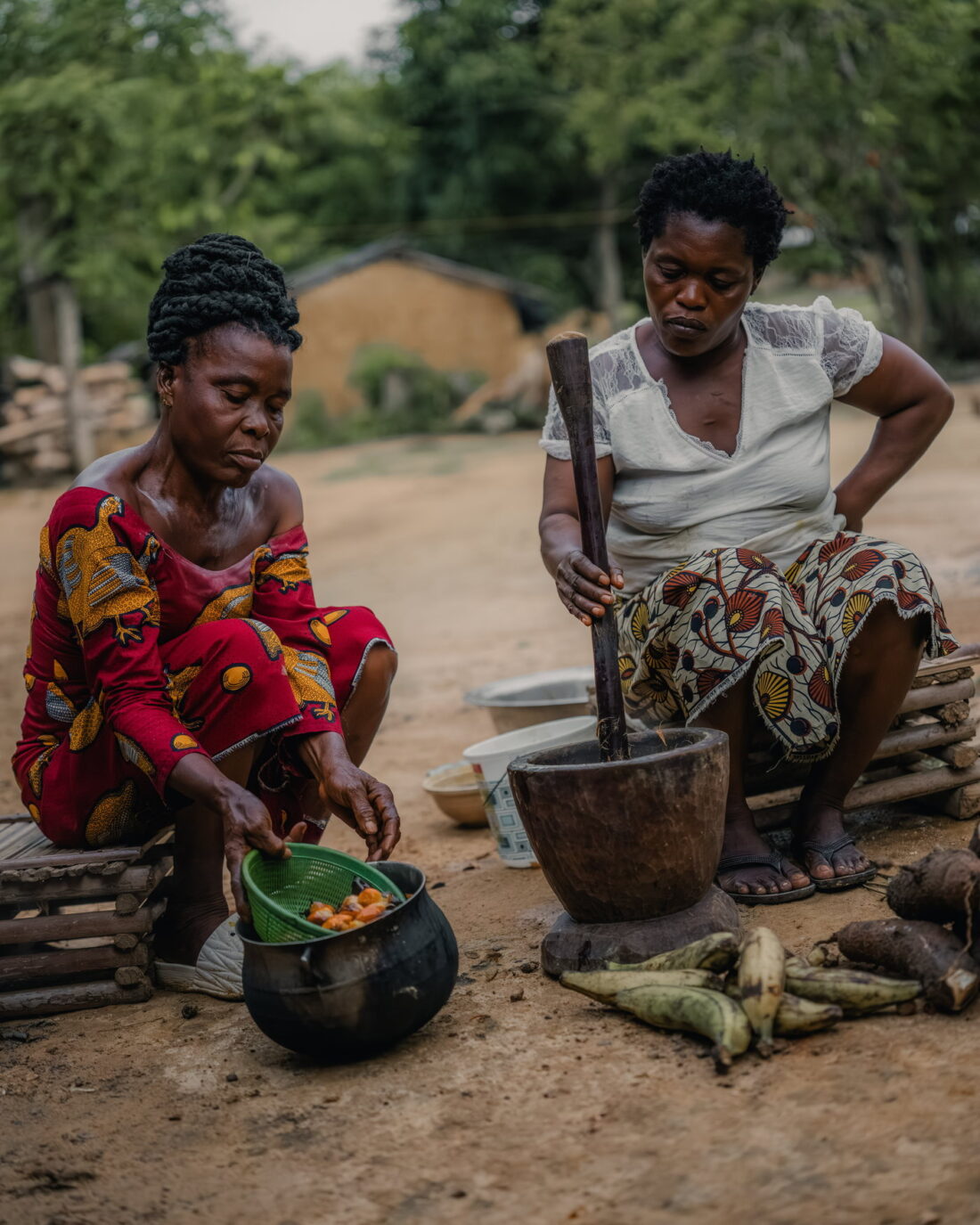
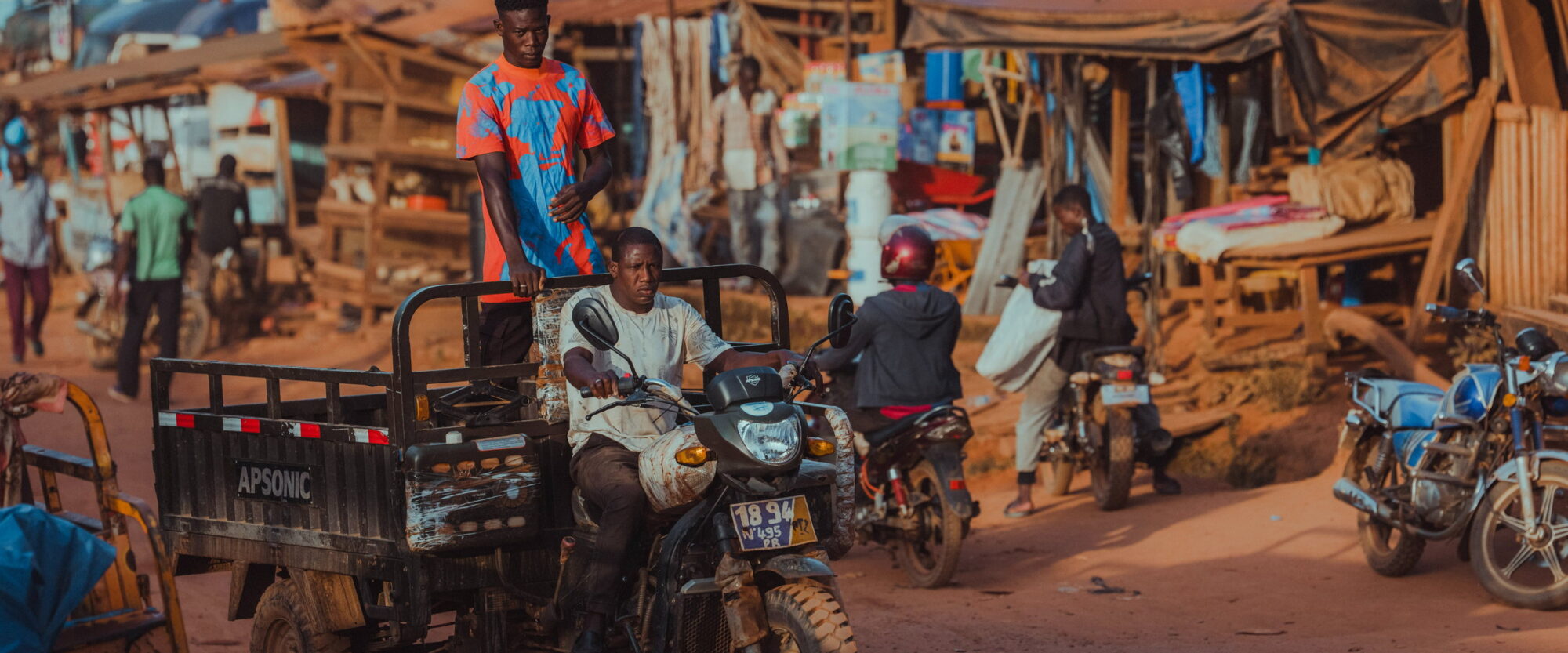
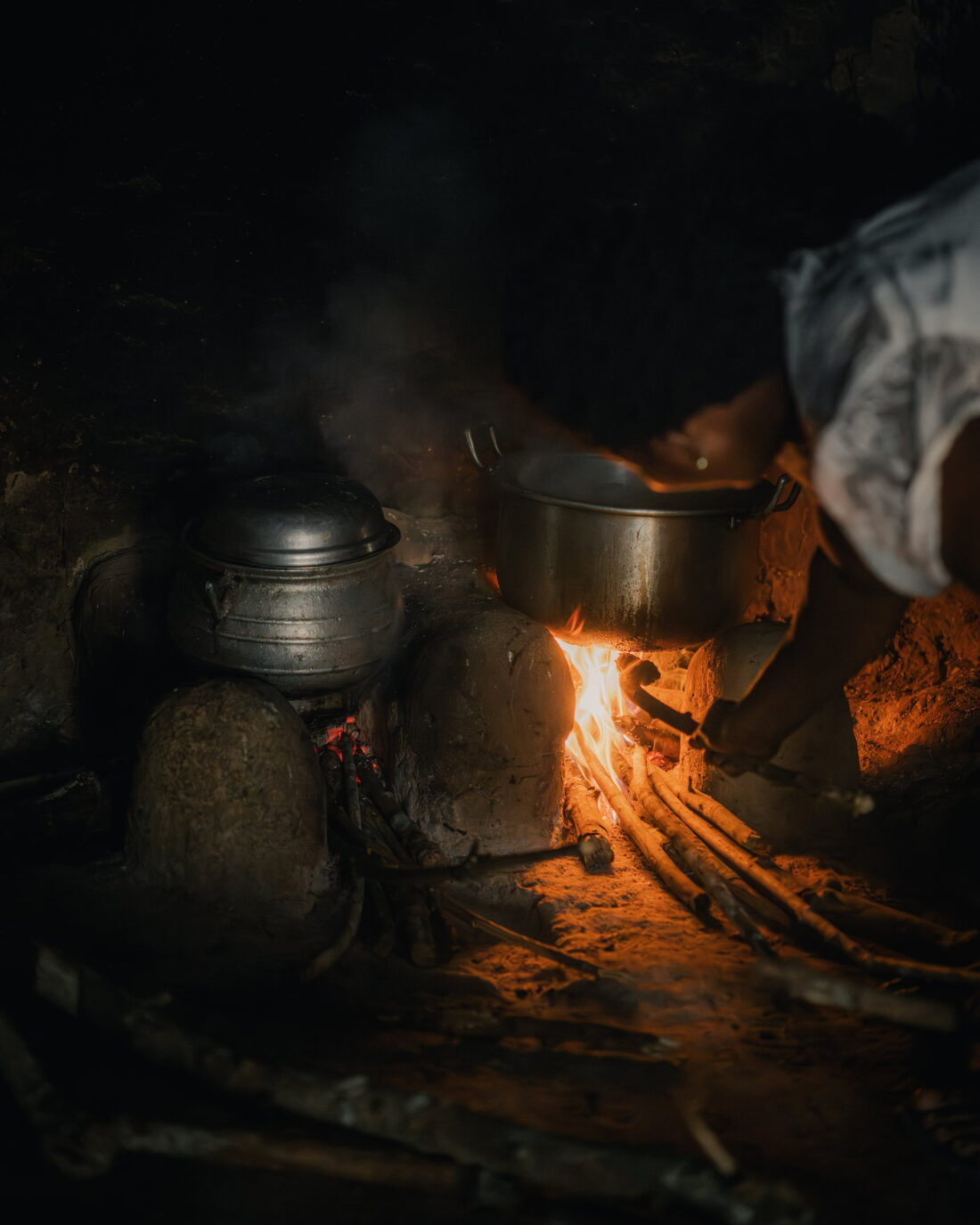
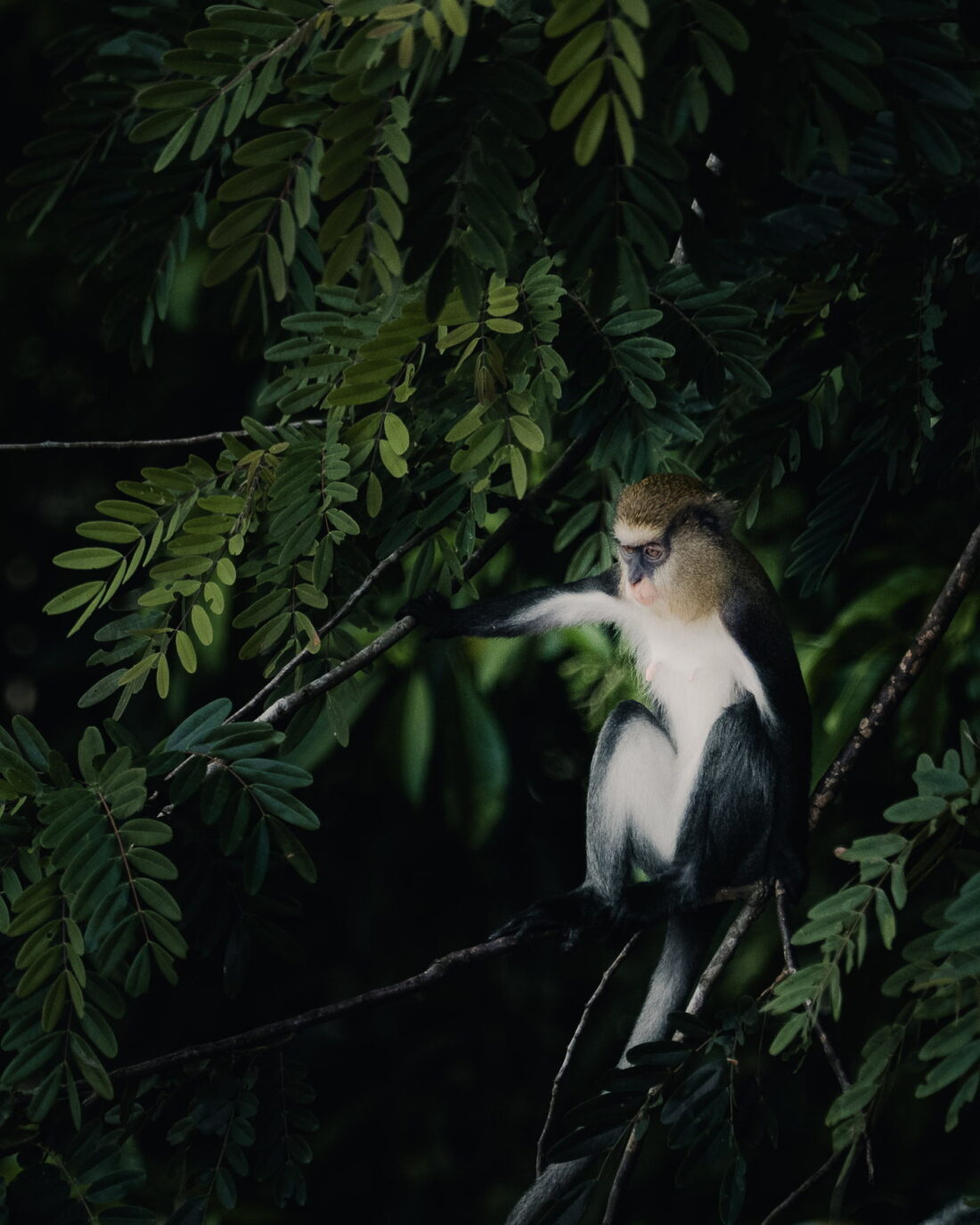
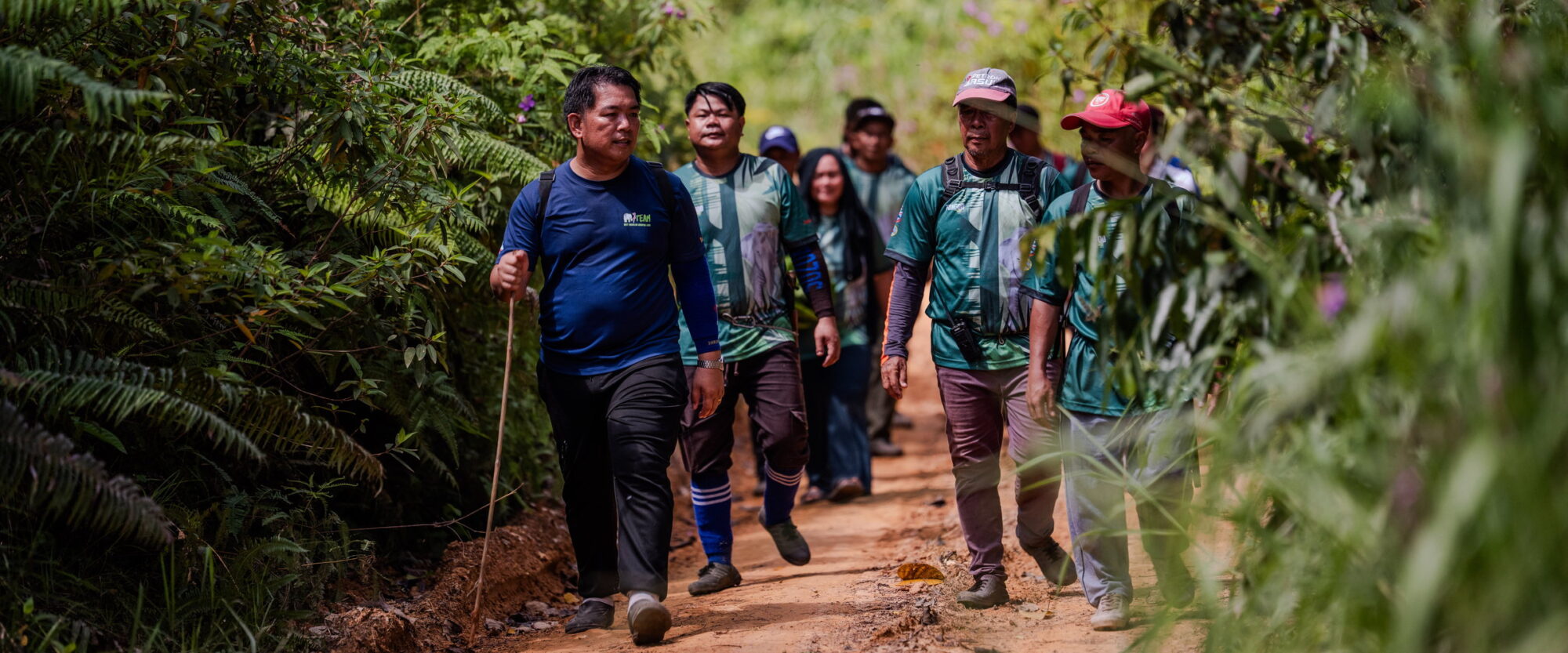
The project follows the international work of the Earthworm Foundation in photographs and film. It opens with productions in Sweden, Côte d’Ivoire and Malaysia – three very different regions, each with its own landscapes, natural resources, economic structures and social challenges.
At the centre are the people, the landscapes and the projects on the ground. The aim is not only to document individual measures, but to make visible the larger connections between people, nature, natural resources and the responsible use of them.
Unscripted. Natural. Documentary.
My work on location follows one simple principle: I am not there to change a situation. I am there to tell it.
There is no script for how a person should behave in front of my camera. If somebody looks into the lens and laughs because they want to laugh, then that is the moment. If somebody cries, they cry. If somebody hides from the camera, that can be part of the story too.
I don’t want to stage people for a picture, or tell them which emotion fits a story. I watch, I stay with it, and I try to be close enough when something happens – without becoming the reason it happens.
What comes out of that are pictures that aren’t always perfectly controllable, and shouldn’t be. Real gestures, glances, uncertainty, joy, work, everyday life, closeness and distance all belong to it. Not every moment has to be spectacular. Sometimes a small movement or a brief look says more about a person and their situation than any staged scene.
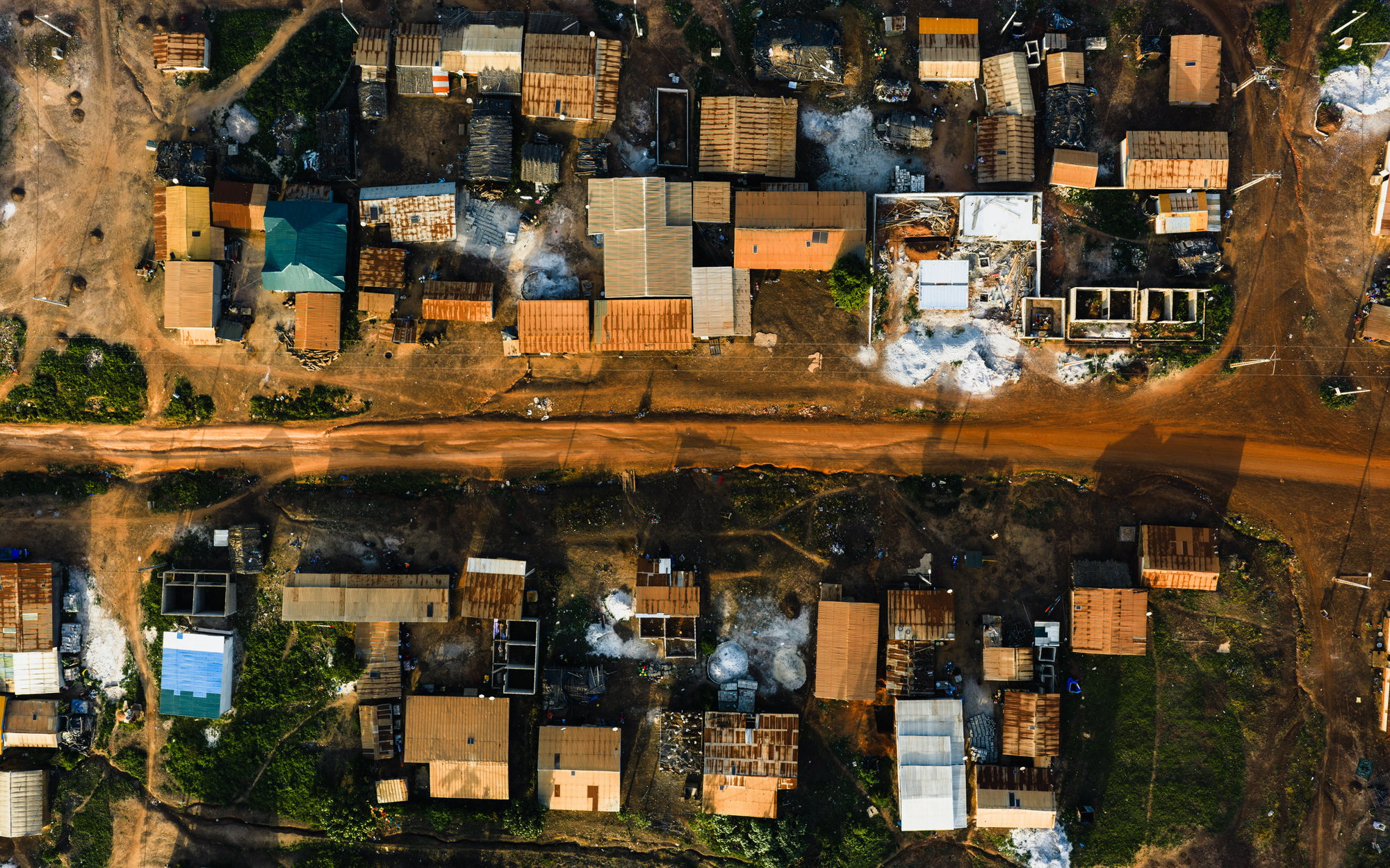
That documentary stance shapes the visual work across the whole project. Portraits, observed situations, working processes, landscapes, details, interviews, filmed sequences and aerials come together into one picture of each place. The landscape is not just a backdrop but part of the story: it gives context and shows the surroundings in which people live, work and deal with natural resources.
Visually the project sits between documentary photography and high-end editorial storytelling. The photographic and cinematic quality is deliberately high, while the situations themselves stay natural. Light, composition and perspective help me tell a story – they are not there to alter it.
The result is both photography and film material, with aerials added where they are possible and make sense on location. Alongside the observed moments, interviews and personal encounters can open further layers of the stories. The material can be used across formats – from website and social media through project communication and presentations to editorial publication and longer films.
The productions in Sweden, Côte d’Ivoire and Malaysia are not three separate projects. They are the first chapters of a growing international series. Different landscapes, cultures, people and challenges – held together by a shared photographic and cinematic stance.
For me the collaboration with Earthworm is therefore laid out as a long-term international photo and film project. Every further production adds new places, people, subjects and perspectives.
Sweden. Côte d’Ivoire. Malaysia. And this is only the beginning.
More places and more stories will follow. Stay tuned.